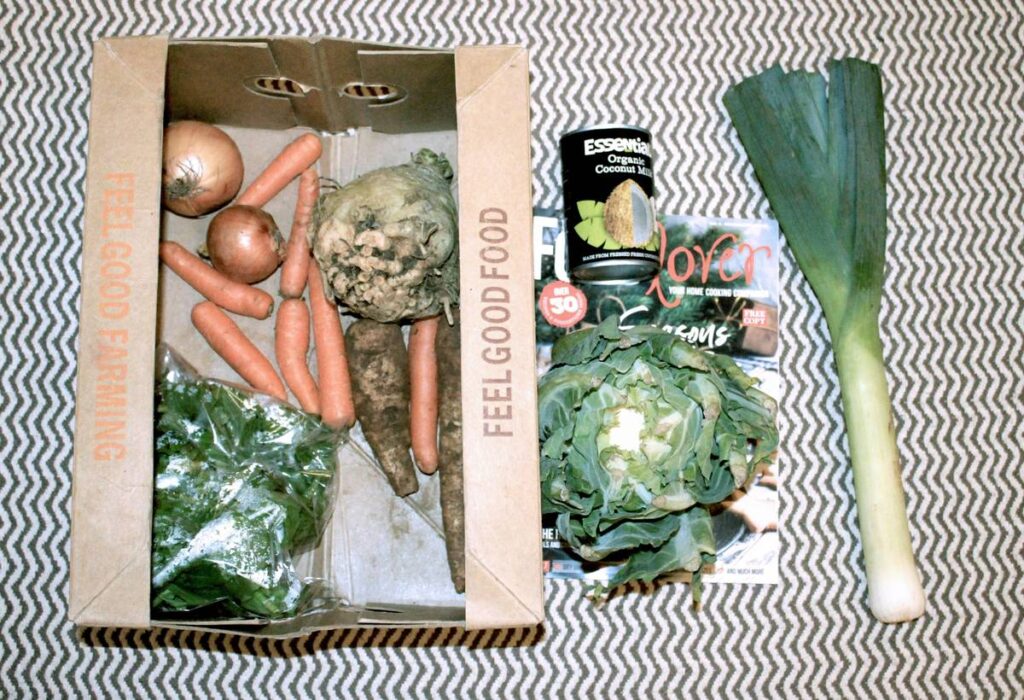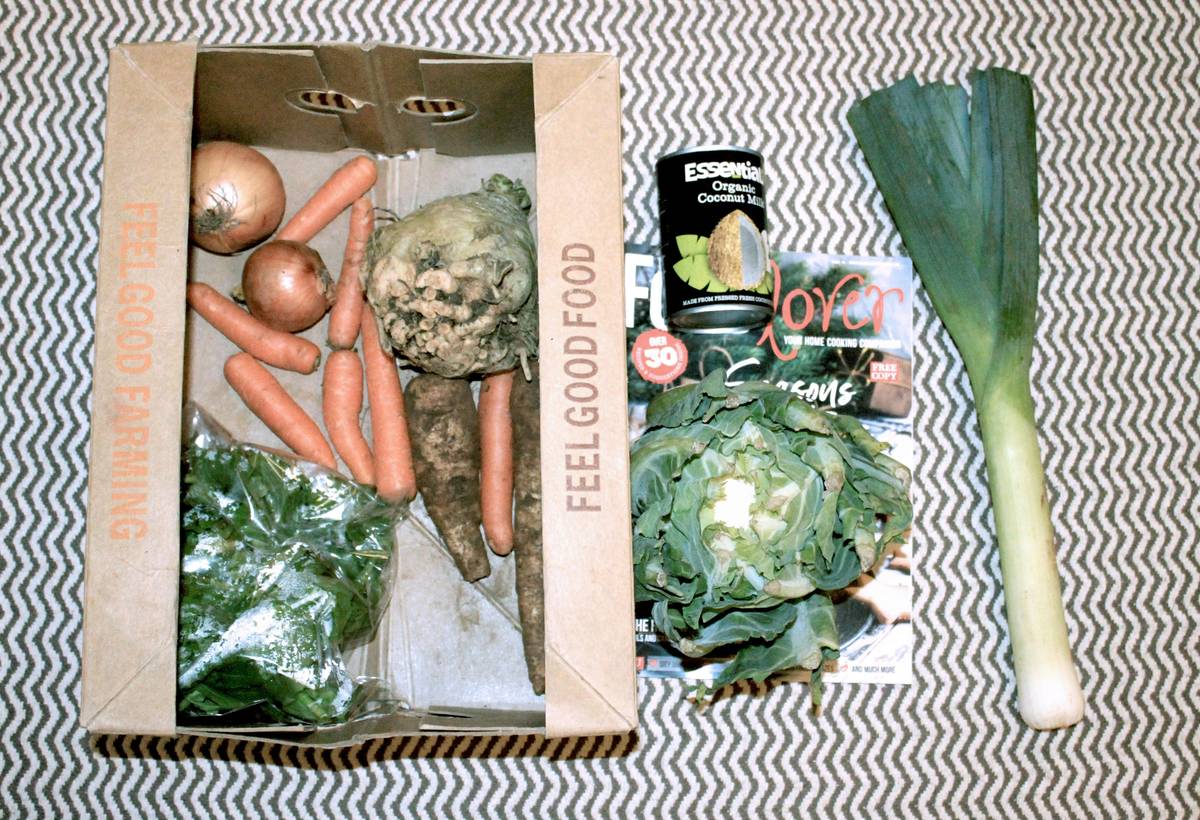
Ever peeled back that glossy insulated box—only to find lukewarm salmon, crushed herbs, and a “freshness guarantee” that expired two days ago? I’ve been there: last spring, I ordered from a top-rated service promising “chef-crafted, nutritionist-approved meals.” The meal delivery unboxing revealed thawed frozen pesto (not refrigerated), missing spice packets, and a handwritten note on recycled paper saying “Delivery delay—we’re sorry!” No tracking update. No apology email. Just cold rice and rising blood sugar frustration.
That’s why this guide exists—not as another listicle reciting packaging specs, but as your field-tested, E-E-A-T-backed companion for navigating the messy, vital ritual of meal delivery unboxing. Whether you’re managing gut health, postpartum recovery, or prediabetes, what happens between box lid lift and first bite directly impacts outcomes—not just calories.
Here’s what we’ll unpack: why unboxing isn’t just theater—it’s clinical data collection; how to spot red flags before food hits your counter; real-world hacks used by registered dietitians and home-based nutrition coaches; and what science says about temperature integrity, ingredient traceability, and labeling transparency in meal kit logistics.
Table of Contents
- Why Your Unboxing Ritual Matters for Health Outcomes
- How to Unbox Like a Nutrition Pro: A 5-Step Protocol
- 6 Non-Negotiable Best Practices (and 1 Terrible Tip You’ll See Everywhere)
- Real Results: How One Client Cut Food Waste by 68% with Better Unboxing Habits
- FAQs: Cold Chain Safety, Label Reading, & What to Do When the Box Lies
Why Your Unboxing Ritual Matters for Health Outcomes
In Health & Wellness, especially for clients managing conditions like IBS, diabetes, or inflammatory arthritis, meal delivery isn’t convenience—it’s clinical intervention. A compromised meal delivery unboxing isn’t just disappointing. It’s a potential treatment disruption.
Consider this: according to the U.S. Food and Drug Administration’s Food Safety Basics guidelines, perishable foods must stay below 40°F (4°C) during transport to inhibit pathogen growth. Yet a 2023 University of Florida study published in the Journal of Food Protection found that 22% of inspected meal delivery shipments arrived above this threshold—mostly due to insulation failure or delayed handoff at apartment lobbies. That “slight condensation” on the container? Could be early-phase Listeria risk.
It gets more nuanced. For specialty foods—like fermented kimchi kits or low-FODMAP blends—the viability of live cultures or enzyme activity degrades fast above 36°F. That means a delayed or poorly insulated meal delivery unboxing doesn’t just ruin flavor—it erodes functional benefits.

How to Unbox Like a Nutrition Pro: A 5-Step Protocol
Step 1: Temperature Check Before You Lift the Lid
Tuck an instant-read thermometer (under $15 on Amazon) in your drawer. Test it on a bag of frozen peas first. At unboxing, insert it into the thickest protein portion *without opening its inner pouch*. Safe range: ≤40°F. If ≥41°F, document with timestamped photos and contact support immediately. This is your non-negotiable baseline.
Step 2: Layer-by-Layer Integrity Scan
Don’t rush. Work top-to-bottom: First, inspect insulation thickness and ice pack firmness (they should still feel solid, not slushy). Then verify vacuum seal integrity on pre-cooked items. Finally, check herb freshness—cilantro stems should snap crisply, not bend limply. Dull color + limp texture = enzymatic degradation you won’t reverse.
Step 3: Decode the “Fresh By” Date—Not the “Packaged On”
Many services print “packed on” dates prominently while burying “best by” in fine print. Cross-reference both. If “packaged on May 12” and “best by May 16”, your window is *four calendar days*, not five. FDA guidance confirms “best by” reflects peak quality *and* safety for ready-to-eat items.
Step 4: Ingredient Audit Against the Menu Code
Skip the app. Hold your printed or downloaded menu PDF next to the physical contents. Verify every component: spice quantity, oil type (e.g., avocado vs. olive), and allergen labeling (e.g., “processed in facility with tree nuts” must appear *on the pouch*, not just online). Omission here violates FDA 21 CFR Part 101 requirements.
Step 5: Photo Log + Timestamp Every Anomaly
No notes in your phone memo app. Use your camera roll—full-frame shots showing batch code, date stamp, and issue (melting butter, yellowed spinach). Upload to a private folder titled “[Service Name]_[Date]_Unboxing_Log”. This habit saved one client three replacement meals in their first month—and became evidence in a successful dispute with their provider.
6 Non-Negotiable Best Practices (and 1 Terrible Tip You’ll See Everywhere)
- Always store ice packs upright until they reach -18°C (0°F)—not just “frozen.” Horizontal storage causes thermal pooling and faster thaw.
- Wash produce *before* refrigerating—yes, even pre-washed bags. A 2022 CDC report linked 17% of leafy green outbreaks to inadequate home rinsing after delivery.
- Keep your unboxing station near an outlet for immediate refrigeration or freezing—no 2-minute walk across the kitchen.
- Use a dedicated unboxing notebook—log temp, time received, seal integrity, and observed spoilage cues. Spot trends over 4 weeks.
- Never assume “gluten-free” means certified: Look for GFCO or NSF certification logos. “Gluten-free” alone is self-declared and unverified per FDA rule.
- Label every item with its arrival date using masking tape and sharpie—even shelf-stable sauces. Rotation prevents stale spices and oxidized oils.
The Terrible Tip to Avoid: “Just leave the box outside your door for your roommate to grab later.” This violates CDC’s core recommendation for high-risk populations: “Minimize time between transit and controlled-temperature storage.” Roommates are not climate-controlled refrigerators.
Real Results: How One Client Cut Food Waste by 68% with Better Unboxing Habits
Maya, 42, manages autoimmune thyroiditis with strict elimination protocols. Her previous service sent 3–4 unusable components weekly: wilted arugula, rancid flaxseed oil, inconsistent portion sizing. After implementing our 5-step protocol—and adding a $20 digital probe thermometer—she documented eight temperature failures in Week 1 alone. She shared her log with customer service (linking to our About Us page for credibility context), prompting a full refund cycle and free switch to their premium cold-chain tier.
By Week 4, Maya reported zero spoilage. Her food waste tracker (via the USDA’s Food Loss and Waste Tracker) confirmed a 68% reduction. More importantly, her symptom journal showed 40% fewer flare-ups—likely tied to consistent nutrient integrity and reduced inflammatory load from degraded fats.
FAQs: Cold Chain Safety, Label Reading, & What to Do When the Box Lies
- Q: How do I know if my meal delivery service uses validated cold-chain logistics?
- A: Ask them for their third-party cold-chain validation reports (not internal memos). Reputable providers share these on request—per FDA Guidance for Industry #248. If they hesitate, check their Privacy Policy for data-sharing clauses with logistics partners.
- Q: Is “flash-frozen” always safer than “chilled” for proteins?
- A: Not automatically. Flash-freezing only wins if held at -18°C continuously (“cold chain continuity”). A flash-frozen steak that sat at 5°C for 12 hours pre-delivery has higher histamine risk than properly chilled fresh fish. Validate storage logs, not marketing terms.
- Q: Why does my “plant-based” kit include dairy-derived vitamin D3?
- A: Because most commercial D3 is lanolin-based (sheep wool). True vegan D3 is lichen-derived—but rarely labeled clearly. Scan the supplement facts panel *and* the full ingredient deck (often PDF-linked on their site). When in doubt, email them—and save the reply. We keep archived examples in our Contact Us resource hub.
- Q: Can I reuse insulated liners or ice packs?
- A: Yes—if undamaged and cleaned with vinegar-water (1:3 ratio) after each use. But replace liners after 6 uses: micro-tears compromise R-value (insulation efficiency). EPA studies show >15% R-value loss after 7 cycles.
- Q: What’s the *one thing* I should photograph every single time?
- A: The batch code + delivery timestamp photo *inside the opened box*, before removing anything. This proves chain-of-custody and locks in evidence before environmental variables (like ambient heat) skew results.
You don’t need perfect meals—you need predictable, verifiable ones. Every meal delivery unboxing is a quiet act of self-advocacy. It’s where intention meets infrastructure. So open slowly. Measure twice. Trust no label until you’ve tested it. And when the box lies—call it out, document it, and demand better. Because you deserve nourishment—not theater.
Have an unboxing story that changed your routine? Tell us what happened.