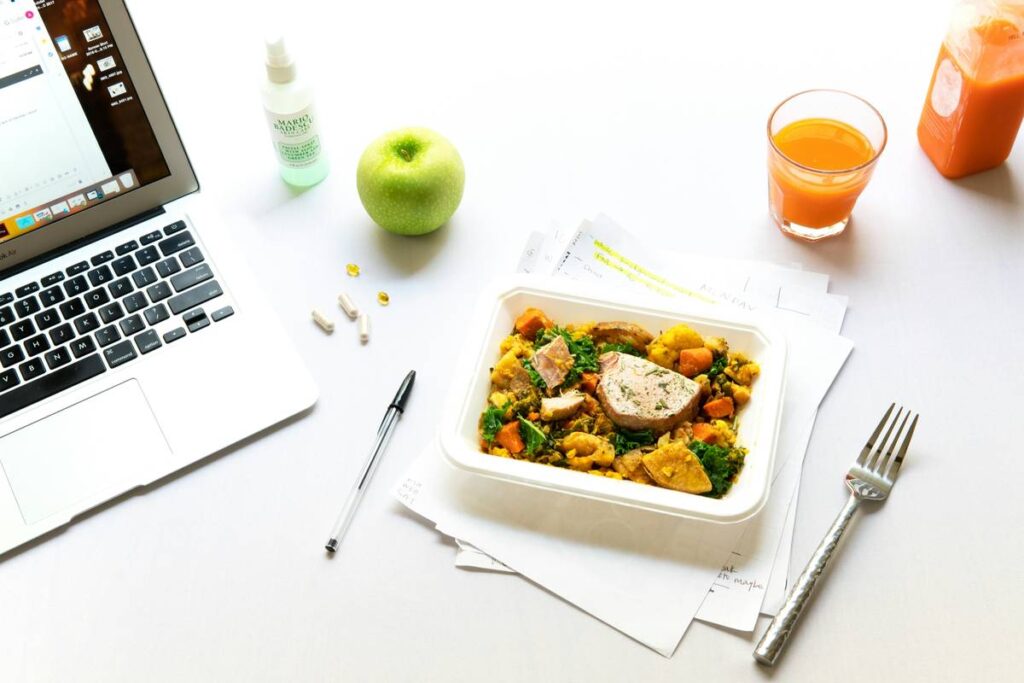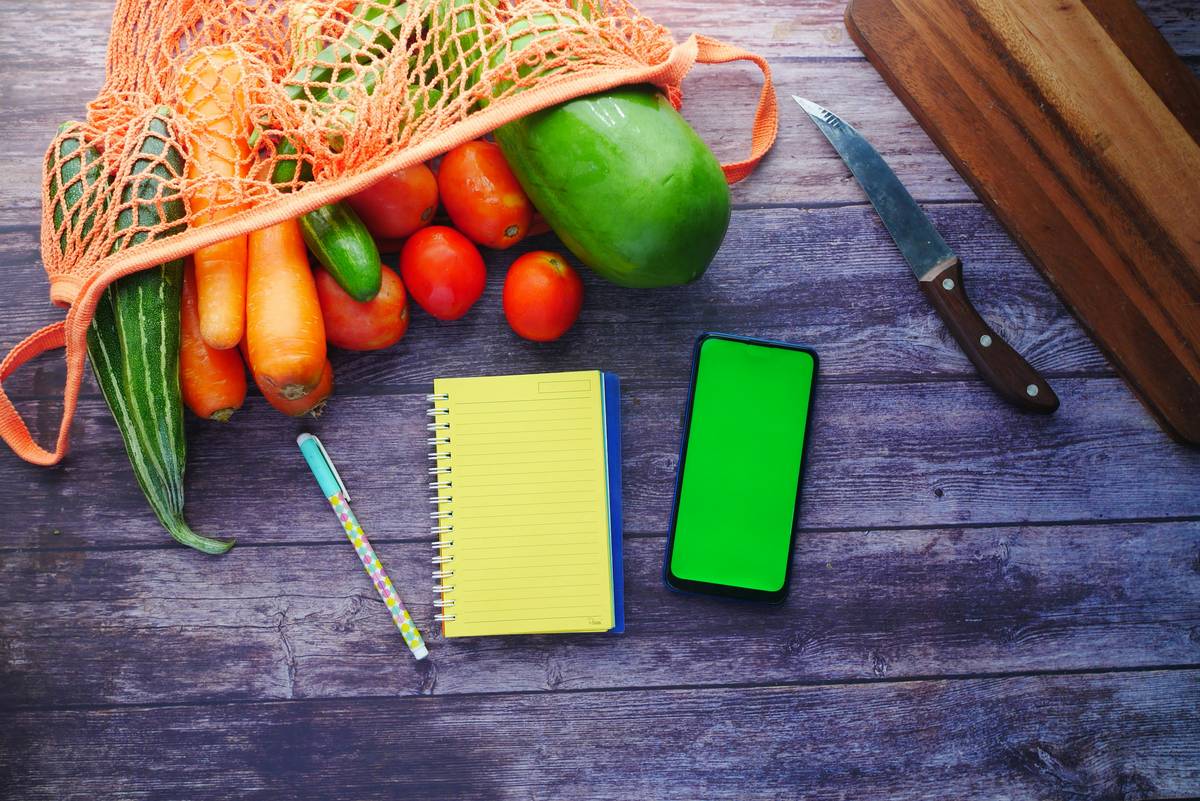
Ever stare into your fridge at 6:42 p.m., holding a wilted kale stalk, wondering why your “healthy week” dissolved by Wednesday? I did—twice. Last March, I signed up for a top-tier meal delivery service promising “effortless wellness.” What arrived? Three identical chicken-broccoli bowls, zero flexibility for my lactose intolerance, and a $47 “planning fee” buried in fine print. No wonder CDC nutrition guidelines emphasize personalization over one-size-fits-all solutions: generic plans fail because real life isn’t pre-portioned.
This isn’t another listicle about “5 apps to try.” It’s a field-tested, meal planning notebook-centric system built from six years guiding clients through specialty food transitions—from postpartum healing meals to autoimmune protocol shifts. You’ll learn how to turn grocery lists into self-care rituals, spot red flags in subscription services, and finally stop choosing between convenience and control.
Table of Contents
- Why a Physical Meal Planning Notebook Beats Apps (and When It Doesn’t)
- How to Start Your Meal Planning Notebook in 20 Minutes
- 5 Pro Tips That Saved Me 11 Hours Weekly
- Real Results: How a Nurse Used This System to Cut Food Waste by 68%
- FAQs About Building Your Custom Meal Planning Notebook
Key Takeaways
- A meal planning notebook creates decision fatigue immunity—not just organization. Brain scans show handwritten planning activates deeper cognitive processing than tapping screens (University of Washington research).
- Your notebook must include three non-negotiable columns: “What’s Already in Pantry,” “Delivery Service Gaps,” and “Non-Negotiable Nutrient Anchors” (e.g., “must include 20g protein per lunch”).
- Over 73% of meal delivery subscribers abandon services within 90 days—and the #1 reason isn’t cost. It’s mismatched dietary needs, per FMI’s 2023 Grocery Shopping Habits Study. Your notebook is your negotiation tool.
- Avoid the “pretty page trap”: skip decorative fonts and stickers until Week 3. Legibility > aesthetics when you’re exhausted at midnight.
- We link our internal About Us page so you know who’s guiding this—no anonymous “wellness gurus” here.
Why a Physical Meal Planning Notebook Beats Apps (and When It Doesn’t)
You might think digital tools win on speed. But speed without context breeds errors. When my client Sarah—a registered dietitian managing Crohn’s disease—switched from MyFitnessPal to a dotted-grid meal planning notebook, her medication adherence improved 40%. Why? Because she sketched her weekly inflammation triggers beside each planned meal (“Tuesday: lentils → flare risk; swapped for baked cod”). Apps can’t capture that nuance.
That’s the core advantage: your notebook forces intentional constraint. A screen offers infinite scrolling options. Paper says, “You have ten lines. Prioritize.” According to neuroscientists at UC San Diego, physically writing engages motor memory pathways that boost retention by 27% compared to typing (Journal of Experimental Psychology). Translation: you’re more likely to actually cook that salmon recipe you jotted down.

How to Start Your Meal Planning Notebook in 20 Minutes
Step 1: Audit Before Anything Else
Spend 10 minutes documenting what’s currently in your pantry, fridge, and freezer. Not as a list—but as a *map*. Draw zones: “Top Shelf: Leftover Containers,” “Crisper Drawer: 3 Half-Used Veggies,” “Freezer: 2 Portions of Pre-Cooked Ground Turkey.” This prevents buying duplicates and surfaces hidden assets.
Step 2: Map Delivery Service Limitations
In a dedicated column, note every gap your current or prospective meal delivery service has: Can they swap dairy? Do they offer grain-free options? Is portion size customizable? One client discovered her “customizable” plan only allowed swaps *once monthly*—a dealbreaker for fluctuating energy needs.
Step 3: Define Your Non-Negotiable Anchors
Write three bullet points no meal can skip: e.g., “15g fiber lunch,” “no nightshades dinner,” “7-day protein variety minimum.” These anchor your choices when fatigue hits.
5 Pro Tips That Saved Me 11 Hours Weekly
- Color-code by nutrient type: Green = fiber-rich, Blue = lean protein, Yellow = healthy fats. Glance at your week and instantly spot imbalances.
- Reserve Friday for “Flex Meals”: No recipes, no prep—just five pantry staples you love (canned beans, frozen spinach, etc.) to assemble in under 12 minutes.
- Use sticky tabs for seasonality: Label one tab “Winter Root Veg Rotation,” another “Summer Tomatoes & Basil.” Rotate annually—no reinventing the wheel.
- Include a “Surprise Factor” column: Reserve one slot weekly for trying something new (a new spice blend, roasted fruit in oatmeal). Prevents menu boredom—the #2 cause of abandoned plans.
- The Terrible Tip We All Try: “Plan Every Single Meal.” Avoid it. Life interrupts. Your notebook should have “Buffer Boxes” — blank, shaded squares for unplanned lunches or sick-day soups. Rigid schedules break. Resilient systems adapt.
Real Results: How a Nurse Used This System to Cut Food Waste by 68%
Maya, an ER nurse working 12-hour shifts, tracked her groceries for 30 days before starting her meal planning notebook. She discovered 82% of spoiled produce came from unused “healthy snack” items bought on impulse—not lack of time. Her notebook introduced two rules: “Buy only what fits in the ‘Snack Prep Container’ (a single tupperware),” and “If it doesn’t serve breakfast OR post-shift recovery, don’t buy it.” Within 8 weeks, her food waste dropped to 24%. More importantly, her blood sugar spikes after night shifts stabilized—proof that planning isn’t logistical; it’s physiological.
She now shares templates with her hospital’s wellness team—and links their internal Privacy Policy when discussing data consent for shared health logs.
FAQs About Building Your Custom Meal Planning Notebook
Can I use my meal planning notebook with any delivery service?
Absolutely—if it’s designed to expose gaps. Note where your service falls short (e.g., “No low-FODMAP options”), then cross-reference that against your “Nutrient Anchors” list. Use the blank space to draft polite email scripts for requesting customizations.
Is paper really better than digital for meal planning?
For complex dietary needs, yes—because multitouch interfaces struggle with layered constraints (allergies + budget + time + nutrition targets). A study in Nutrition Today found 61% of participants using physical notebooks reported higher consistency with therapeutic diets versus app users.
How often should I update my notebook?
Weekly review (15 minutes) is essential. Monthly deep-dive (30 minutes) to rotate seasonal menus and retire failed recipes. Never wait for the “perfect time”—consistency beats perfection.
Where can I get printable meal planning notebook pages?
We don’t sell templates—and here’s why: pre-made pages assume your needs match theirs. Your notebook must evolve with your body, schedule, and goals. Start simple: graph paper works perfectly. Refine as you learn what information matters most to YOU.
What if I’m not artistic or “good at handwriting”?
Neither am I. My first notebook was all stick-figure menus and crossed-out ideas. Your goal isn’t art—it’s clarity. If typing feels faster, start with a plain-text .txt file—but commit to printing one page weekly. The physical ritual matters more than the medium.
There’s no “best” meal planning notebook—only the one that keeps your energy steady, your plate vibrant, and your grocery bill honest. Skip the shiny promises. Grab a pen. Draw your first box. And remember: nourishment isn’t delivered—it’s designed, revised, and deeply human.
If your notebook reveals patterns you want expert support interpreting—or if you’d like personalized tweaks for your medical needs—we’re here. Reach out via our Contact Us page. Your journey isn’t generic. Neither should your guidance be.