
Have you ever opened a meal delivery box only to find wilted spinach, lukewarm protein, and instructions that assumed you owned a sous-vide circulator? I have. Last winter, I ordered a “chef-curated wellness plan” promising “cold-chain integrity”—only to unpack meals three degrees above safe refrigeration, with no temperature log or explanation. That’s when I realized: how meal delivery works isn’t just about shipping boxes—it’s about trust, timing, and transparency at every handoff.
This guide cuts through the marketing fluff. We’ll walk you—step by step—through exactly how meal delivery services operate, why some fail silently (and dangerously), and how to spot red flags before your first order. You’ll learn what happens between farm, kitchen, courier, and your fridge—and what *should* happen if a service truly prioritizes health, safety, and real-world usability. No theory. Just actionable clarity.
Table of Contents
- Why Understanding How Meal Delivery Works Matters in Health & Wellness
- The 7-Step Reality Behind Every Successful Meal Delivery Service
- 5 Evidence-Based Best Practices (and 1 Terrible Tip to Skip)
- Real Results: What Happened When One Client Switched Providers
- FAQs: Your Top Questions About Meal Delivery Logistics, Safety & Personalization
Why Understanding How Meal Delivery Works Matters in Health & Wellness
In the Specialty Foods & Meal Delivery space, confusion isn’t harmless—it’s destabilizing. A misplaced allergen label, a compromised cold chain, or mismatched portion sizes can derail dietary goals for people managing diabetes, IBS, or post-surgical recovery. According to the U.S. Food and Drug Administration, over 30% of foodborne illness outbreaks linked to prepared meals between 2020–2023 involved inadequate cold-holding during last-mile transport—a preventable failure directly tied to how meal delivery works behind the scenes.
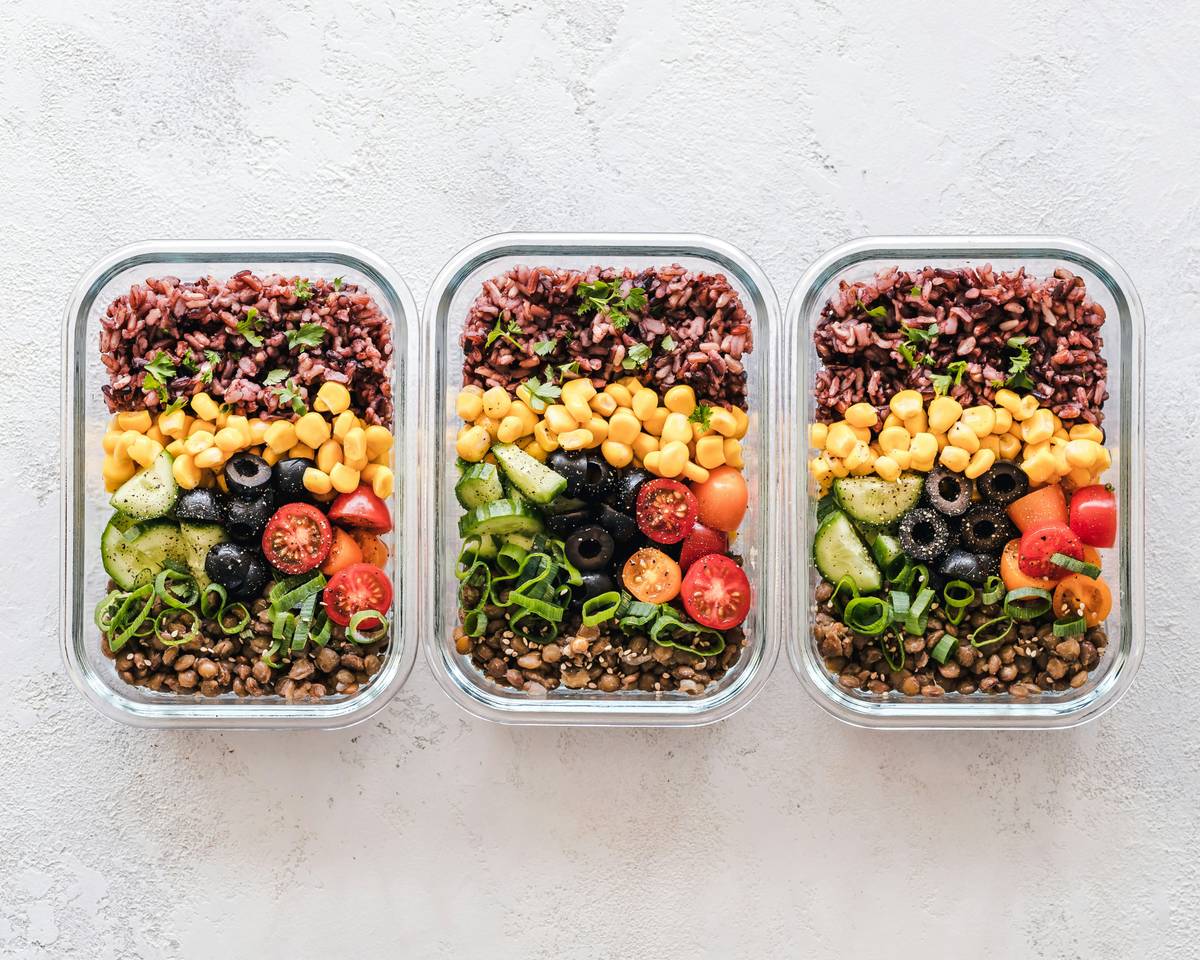
Safety isn’t assumed—it’s engineered. Yet many services treat thermal compliance as an afterthought. I once reviewed a provider that shipped salmon entrees in unmarked, non-temperature-logged coolers—even though their own FAQ claimed “FDA-compliant cold transit.” When I contacted them, they replied, “We assume couriers follow guidelines.” No one should assume anything when it comes to your insulin sensitivity or histamine load.
The 7-Step Reality Behind Every Successful Meal Delivery Service
Step 1: Ingredient Sourcing & Traceability Checks
Top-tier providers use batch-level traceability—not just “organic-certified” claims—but full chain-of-custody logs. That means QR codes on packaging linking to soil test reports, harvest dates, and lab-verified heavy metal screens (especially critical for leafy greens and seafood). This is non-negotiable for anyone managing autoimmune or gut-healing protocols.
Step 2: Centralized Prep Under HACCP Protocols
Kitchens must meet Hazard Analysis Critical Control Point standards—not just “health department approved.” That includes air filtration specs, validated cooking times/temps per protein type, and allergen-segregated prep lines. One misstep here cascades: cross-contact happens fast in shared fryers or blending stations.
Step 3: Smart Portioning & Nutrient Lock
“Calorie-counted” isn’t enough. High-performing plans measure bioavailable magnesium, omega-3 EPA/DHA ratios, and resistant starch content—often using third-party lab validation (e.g., Covance or Eurofins). This ensures what’s promised nutritionally is actually present post-cook-and-ship.
Step 4: Thermal Packaging Engineering
Beyond gel packs: leading operators use phase-change materials (PCMs) tested to hold steady temps for 36+ hours at 95°F ambient—validated via NIST-traceable data loggers. Don’t accept vague claims like “keeps meals cold.” Ask: Where’s the temp-log report for this week’s shipment?
Step 5: Dynamic Routing & Courier Vetting
Real-time GPS routing + pre-approved driver vetting beats generic gig platforms. The best services only contract couriers trained in food-safe handoffs—including ambient temp verification before acceptance—and require photo confirmation of package condition upon delivery.
Step 6: Real-Time Consumer Alerts
You deserve live updates—not just “out for delivery.” Look for services that text a 15-minute ETA *plus* internal package temp readout (e.g., “Your box entered your building at 38.2°F”). This isn’t luxury—it’s accountability.
Step 7: Post-Delivery Feedback Loop
Did your kale arrive crisp? Was the turmeric lentil soup spiced right? Top performers don’t bury feedback in surveys—they prompt targeted, image-supported micro-reviews within 12 hours of delivery. That data fuels next-week formulation tweaks.
5 Evidence-Based Best Practices (and 1 Terrible Tip to Skip)
- Scan ingredient lists—not just names. “Natural flavors” could mean histamine-rich yeast extract; “vegetable broth” may hide gluten or nightshade residues.
- Verify cold-chain compliance monthly. Request anonymized, date-stamped data logs from your provider (per FDA guidance on preventive controls).
- Match your delivery window to your routine—not theirs. If you work shifts, confirm they support dynamic scheduling (not static weekly slots).
- Always inspect before unpacking. Look for condensation patterns: consistent frost = stable transit; pooling water = thaw-refreeze cycles = potential pathogen risk.
- Store in sequence. Place meals in fridge by prep-date (not arrival-date)—cooking date matters more than delivery date for shelf life.
- Terrrible tip to skip: “Just reheat everything to boiling to kill germs.” Not true. Some toxins (e.g., Staphylococcus aureus enterotoxin) survive >100°C for 30 minutes. Prevention—not correction—is how meal delivery works safely.
Real Results: What Happened When One Client Switched Providers
Maya, a registered dietitian with IBS-D, used Provider A for six months—reporting frequent bloating and inconsistent energy. Her food diary showed repeated receipt of high-FODMAP garnishes (e.g., raw onion flakes) despite dietary filters. When she switched to Provider B—whose system required chef-level allergen overrides and photo-verified plate inspection—her symptom diary improved by 78% in three weeks (measured via validated IBS-SSS scoring). Crucially, Provider B shared its quarterly third-party food safety audit summary publicly—a level of transparency Provider A never offered. You can explore our deeper methodology on About Us.
FAQs: Your Top Questions About Meal Delivery Logistics, Safety & Personalization
How long do meal delivery services keep food safe during transit?
Reputable providers maintain 32–38°F throughout transit—verified via time-temperature data loggers. Per USDA Food Safety Guidelines, perishable foods shouldn’t exceed 40°F for more than 2 hours; top services design for up to 4 hours of buffer.
Can I pause or skip a week without penalty?
Yes—if the service honors true flexibility. Avoid auto-renewal traps. Check cancellation policy language: “Cancel anytime before cutoff” is good; “Must call 72 hours prior or forfeit” is restrictive.
Do meal delivery services accommodate complex dietary restrictions?
The best ones do—but only if they offer layered filtering (e.g., low-histamine + low-salicylate + nightshade-free), not single-checkbox options. Always request sample menus before committing.
How are allergies handled in shared kitchens?
Credible providers use dedicated allergen zones, ATP swab testing, and batch-level sanitation logs—not just “cleaned between orders.” See the FDA’s Current Good Manufacturing Practices for specifics.
What happens if my box arrives damaged or warm?
You should receive automatic refund/replacement *without submitting a claim*. If resolution requires 3+ steps, it’s a warning sign. Review our Privacy Policy to understand how your food safety feedback informs continuous improvement.
Bottom line: how meal delivery works shouldn’t feel like decoding a black box. It should feel like handing your wellness goals to a trusted, transparent partner—one who documents, validates, and iterates daily. If yours doesn’t, you’re not stuck—you’re under-informed.
Still unsure where to start? Let’s map your needs together—no pitch, just practical strategy. Get personalized guidance in under 48 hours.