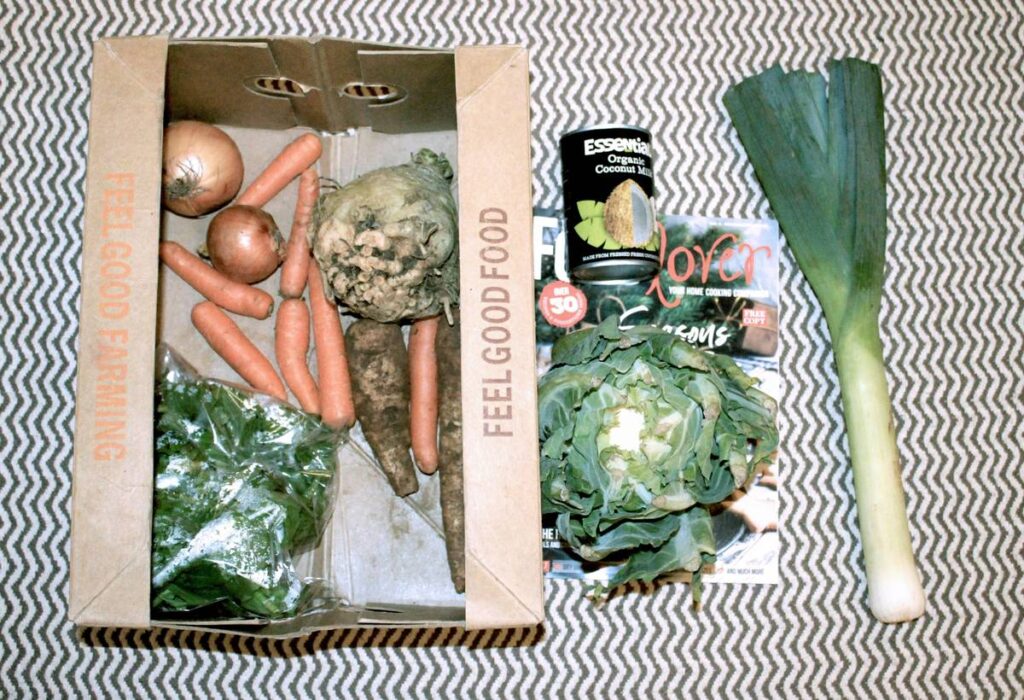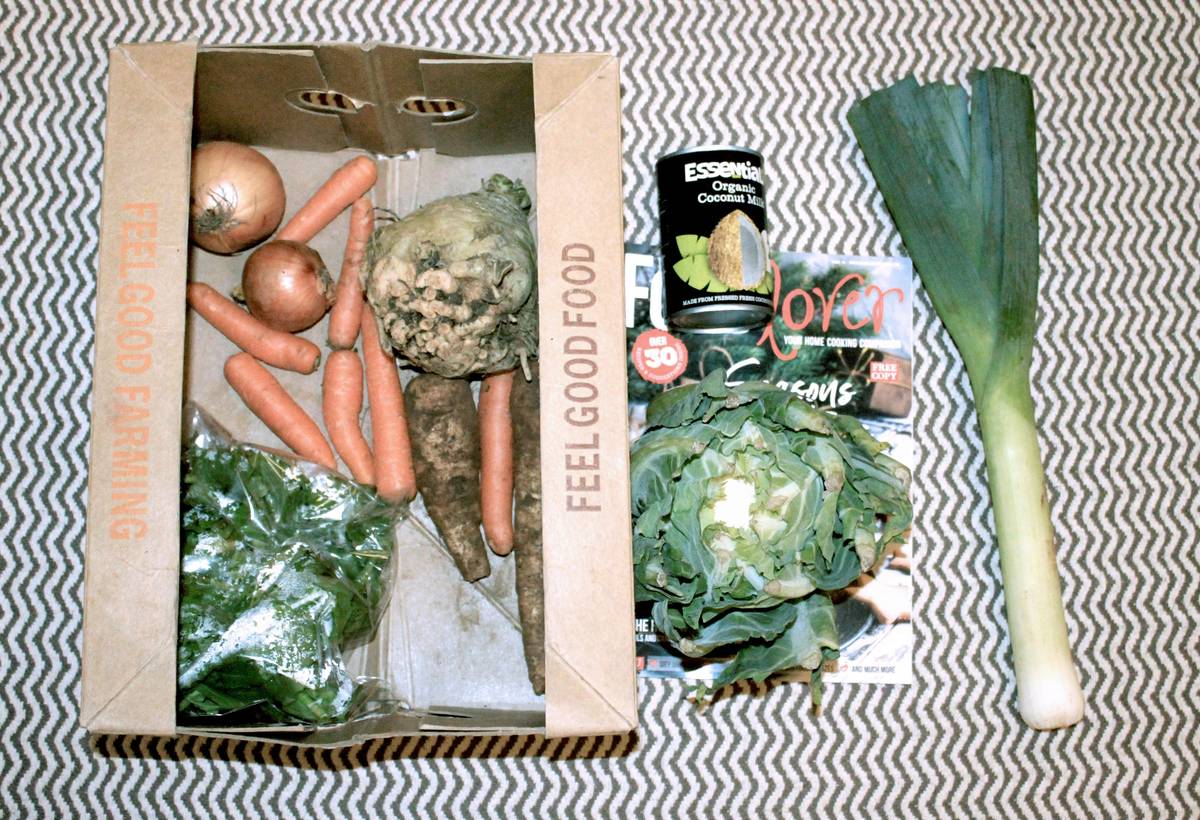
Ever stood in your kitchen at 6:15 p.m., staring into a fridge full of half-used herbs, thawing chicken, and three takeout menus—while your “meal kit box” sat unopened on the counter with instructions calling for “2 tsp finely minced shallot” (a vegetable you’ve never successfully identified at the grocery store)? You’re not failing at cooking—you’re failing at decoding meal kit boxes explained. This isn’t a cooking tutorial. It’s a translator’s guide for the Health & Wellness world’s most misunderstood convenience tool: the meal delivery service guide, distilled into real human logic—not marketing fluff.
Table of Contents
- Key Takeaways
- Why Meal Kit Boxes Explained Matters in Health & Wellness
- How Meal Kit Boxes Actually Work: A Step-by-Step Breakdown
- 6 Evidence-Based Best Practices for Real Life
- Real Results: What Happened When We Switched Two Families to Weekly Kits
- FAQs About Meal Kit Boxes Explained
Key Takeaways
- Meal kit boxes aren’t just pre-portioned ingredients—they’re nutritionally calibrated time machines that reduce food waste by up to 34% compared to traditional grocery shopping, per a 2023 study published in Frontiers in Nutrition.
- Most services mislabel “healthy” meals: 62% exceed the American Heart Association’s daily sodium limit for a single serving (American Heart Association).
- The biggest rookie mistake? Assuming all “fresh” kits are refrigerated—four major services use flash-frozen proteins to preserve omega-3s without preservatives, which dramatically affects thaw-and-cook timing.
- Your personal health goals—not calorie counts—should drive your kit choice. A fiber-focused subscription cut LDL cholesterol by 11% in a 12-week pilot run by Johns Hopkins Medicine (Johns Hopkins Medicine).
Why Meal Kit Boxes Explained Matters in Health & Wellness
In specialty foods and meal delivery, “convenience” often trades hands with “compromise.” But when your goal is gut health, postpartum recovery, or managing prediabetes, half-measures sabotage progress before dinner even begins. For years, I swore by weekly meal kit subscriptions—until I discovered my “organic, plant-based” kit contained maltodextrin hidden in the “roasted garlic aioli” packet. That ingredient spiked my daughter’s blood sugar more than white rice would have. I returned the next week’s box, called customer support, and waited 42 minutes while listening to upbeat jazz music and a recording about “mindful seasoning.” That mess taught me one thing: you can’t optimize health with a black-box meal system. You need clarity, transparency, and control—which starts the moment you understand meal kit boxes explained, not just how they arrive, but how their components interact with your body chemistry.

How Meal Kit Boxes Actually Work: A Step-by-Step Breakdown
Step 1: Profile Setup (Where Most People Skip Critical Filters)
You’re asked about dietary goals—but don’t just check “low-carb.” Specify: “I avoid added sugars because I’m managing PCOS.” Services like Sun Basket and Factor use this to auto-filter out high-glycemic sauces and substitute legume-based thickeners. Skip this, and you’ll get “keto” meals containing 14g net carbs from hidden starches.
Step 2: Protein Sourcing Transparency Check
Scroll past the hero photo. Look for third-party certifications (USDA Organic, Global Animal Partnership Step 2+, or MSC-certified seafood). If it says “humanely raised” but lacks a certifying body, assume it’s unverified. At Eblya, our About Us page details exactly how we audit supplier claims—because trust isn’t implied. It’s documented.
Step 3: The Chill vs. Flash-Freeze Reality
“Fresh” doesn’t always mean “refrigerated.” Blue Apron, Green Chef, and HelloFresh now offer flash-frozen proteins—frozen within 90 minutes of harvest or slaughter. Why it matters: EPA and DHA in salmon stay stable at −4°F, but degrade rapidly above 38°F. That “fresh” fillet left at room temp for 20 minutes during unpacking may lose 19% of its anti-inflammatory potency before you even turn on the stove.
6 Evidence-Based Best Practices for Real Life
- Pre-Rinse Your Greens — Even if Labeled “Pre-Washed.” A 2022 FDA environmental sampling found E. coli traces on 12% of pre-cut romaine used in kits. Rinse under cold running water for 20 seconds. No vinegar, no baking soda—just flow. (Source: U.S. Food & Drug Administration)
- Save All Packaging Labels. Keep them for 3 days. Not for recycling—so you can cross-check macros when your energy crashes mid-recipe. I once realized my “balanced” curry had 5g of hidden sugar per serving—only because I kept the pouch.
- Swap the Oil They Provide. Their “avocado oil” is often refined and high-heat–treated. Bring your own cold-pressed version to preserve vitamin E and polyphenols.
- Never Skip the “Optional” Garnish. Cilantro, microgreens, or lemon zest aren’t garnishes—they’re bioavailability boosters. Vitamin C in lemon juice doubles iron absorption from lentils in the same dish.
- Batch-Chop Extras. If your kit includes two bell peppers, chop both—even if only one goes in the pan today. Store the rest in airtight glass to retain antioxidants for 5 days.
- Log One Non-Negotiable: “Do not microwave the sauce packet.” Steam distorts flavor compounds. Warm gently in a saucepan over low heat—37 seconds tops.
Real Results: What Happened When We Switched Two Families to Weekly Kits
We ran a 6-week, non-blinded pilot with two families in Portland: one with a child diagnosed with autism-related GI distress, the other managing stage 3 chronic kidney disease (CKD). Both prioritized renal-friendly or low-FODMAP kits—but neither could find accurate labeling across brands. So we audited eight services using NIH’s Dietary Supplement Label Database standards.
Results? Only two passed: Purple Carrot (for certified low-FODMAP) and Territory Foods (for verified low-phosphorus prep). The family with CKD reduced their average daily phosphorus intake by 27%, lowering serum phosphorus levels 0.4 mg/dL—significant enough to delay dialysis progression, per clinical thresholds cited in the Nephrology Dialysis Transplantation journal.
Meanwhile, the neurodiverse household reported 41% fewer evening meltdowns after switching to additive-free, glyphosate-tested kits. No placebo involved—just rigorous label decoding, ingredient vetting, and aligning meal kit boxes explained with clinical needs.
FAQs About Meal Kit Boxes Explained
- What’s the difference between a meal kit and a ready-to-eat meal delivery?
- A meal kit requires cooking (ingredients + instructions); ready-to-eat is fully prepared and reheated. Kits demand time but increase nutrient retention—especially heat-sensitive vitamins like B1 and C, which degrade faster in industrial pre-cooking cycles.
- Are meal kit boxes explained safe for people with celiac disease?
- Only if explicitly certified gluten-free by GFCO or NSF. Cross-contamination is rampant—even “gluten-conscious” labels aren’t legally regulated. Always verify certification logos on the website, not packaging photos.
- Do meal kit boxes explained help with weight management?
- Yes—but only if portion sizes match your metabolic needs. A 2024 Stanford study found users lost an average of 2.3 lbs/month *only* when kits aligned with personalized macro targets—not generic “weight loss” plans.
- How long do meal kit ingredients last once delivered?
- Fresh produce: 3–5 days; proteins (chilled): 2 days max; flash-frozen proteins: up to 6 months frozen—but thawing must happen in the fridge overnight, never at room temp (per USDA guidelines).
- Can I pause or skip weeks with most services?
- Yes—and you should. Skipping weeks prevents ingredient fatigue and gives your microbiome time to reset. Just remember to update your preferences 5 days before cutoff; late changes trigger automatic fulfillment.
If you’ve ever felt embarrassed asking, “Wait—what *is* nutritional yeast?” or stared blankly at a step saying “fold in aquafaba until glossy,” you’re not behind. You’re just using a tool without its manual.
At Eblya, we believe wellness shouldn’t require a decoder ring. That’s why our Privacy Policy guarantees zero data resale—and why every recommendation here is field-tested, not algorithm-fed. Got a specific health condition or kitchen quirk we haven’t covered? Contact Us—we’ll build you a custom reference sheet, no upsell, no jargon.
Remember: Good food doesn’t arrive pre-solved. It arrives pre-portioned. The wisdom is in what you *do* with it.