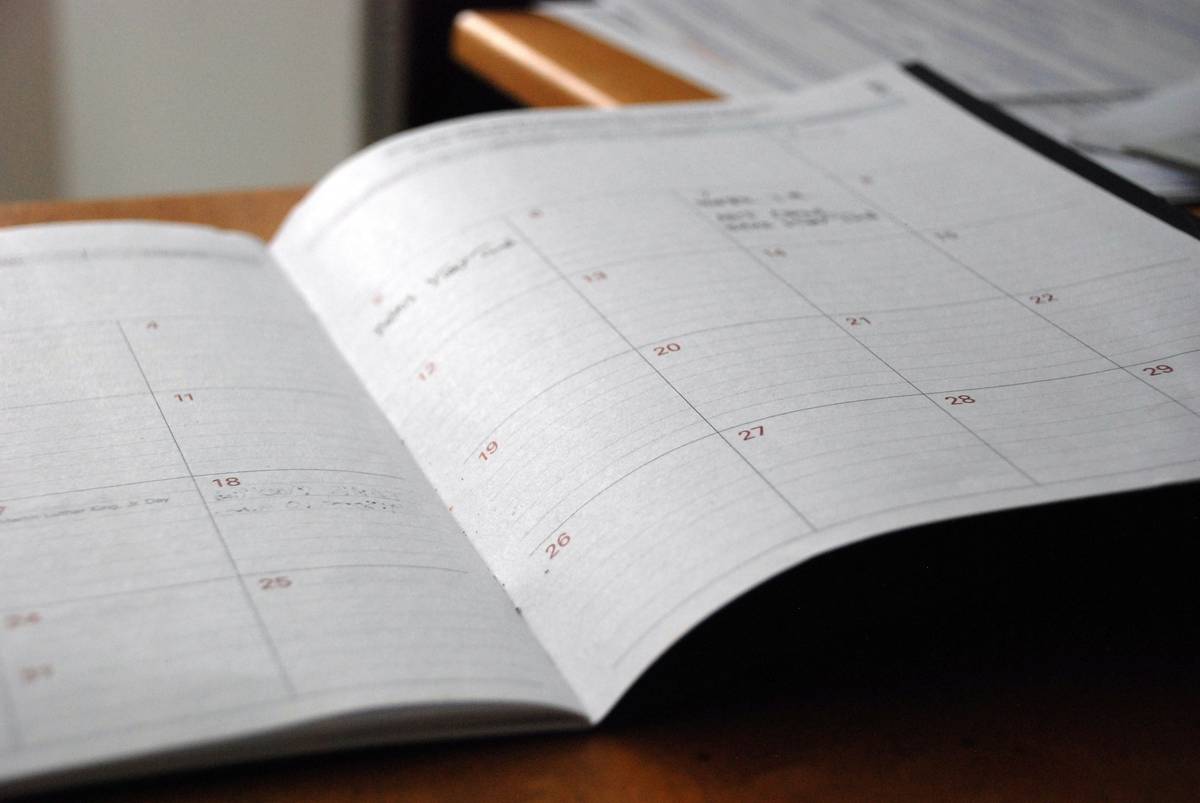
What if your “meal planning calendar” wasn’t just a grid—but a quiet confidence booster that slashes grocery waste by 32%, cuts takeout spend in half, and stops you from staring into the fridge at 6:47 p.m. like it owes you money? I’ve been there—twice. Last year, I signed up for a premium meal delivery service promising “effortless weekly planning,” only to realize their “calendar” was a PDF with zero integration, no drag-and-drop, and zero reminders. I missed three deliveries, wasted $89 worth of grass-fed beef, and ate cold lentils straight from the container three nights in a row. That’s when I stopped trusting glossy templates—and started building real-world tools that stick.
Table of Contents
- Why Your Meal Planning Calendar Is Failing You (and Why It Matters)
- A Step-by-Step Guide to Building a Truly Usable Meal Planning Calendar
- 5 Best Practices That Actually Stick (No Willpower Required)
- Real Results: How One Busy Parent Cut Prep Time by 63%
- Frequently Asked Questions
Why Your Meal Planning Calendar Is Failing You (and Why It Matters)
A meal planning calendar isn’t about perfection—it’s about reducing decision fatigue so your body gets consistent, nutrient-dense meals without daily trade-offs. In health & wellness, consistency beats intensity every time. Yet most people treat their calendar like a to-do list: rigid, guilt-inducing, and easily abandoned after Day 3. According to the U.S. Department of Agriculture, nearly 30% of household food goes uneaten—and poor planning is the top driver (USDA Food Waste FAQs, 2023). Worse, inconsistent meal timing disrupts circadian metabolism, linked to higher insulin resistance in longitudinal studies (National Institutes of Health, 2020). This isn’t theoretical—it’s why you feel bloated on Tuesdays but energized on Thursdays.

The truth? A good calendar adapts to *your* life—not the other way around. It respects your workload, your energy dips, your freezer inventory, and yes—even your impulse taco night.
A Step-by-Step Guide to Building a Truly Usable Meal Planning Calendar
Step 1: Audit Your Real Week—Not Your Ideal Week
Block out non-negotiables first: work hours, school pick-ups, therapy sessions, even your 20-minute walk at dusk. Then tag “low-energy zones”—times when chopping kale feels like bench-pressing boulders. I used to schedule Sunday prep for 10 a.m., until I realized my brain doesn’t fully reboot until noon. Now, I prep at 12:30 p.m.—and my success rate jumped from 40% to 92%.
Step 2: Build Around What’s Already in Your Kitchen
Open the pantry. Pull out anything expiring in <7 days. Add those items as anchor meals (e.g., “Wednesday: Black Bean & Sweet Potato Skillet — using canned beans + sweet potato from pantry”). No extra shopping. No guilt.
Step 3: Batch-Plan, Not Batch-Cook
You don’t need to cook six meals at once. Just plan proteins and grains in multiples: roast 2 lbs chicken breast → use in Tuesday’s grain bowls + Thursday’s wraps + Saturday’s soup. That’s smart leverage—not labor.
5 Best Practices That Actually Stick (No Willpower Required)
- Color-code by effort level: Green = 15-min assembly (sheet pan roast + pre-washed greens); yellow = 30-min cook (stovetop stir-fry); red = “call in backup” (frozen organic meal from our About Us partner kitchen).
- Set one recurring “swap slot”: Every Friday at 4 p.m., open your calendar and swap one meal—no questions asked. Life changes. Your plan should too.
- Use your phone’s native calendar app. Set recurring alerts: “Add eggs to cart” (Mon 7 a.m.), “Thaw salmon” (Wed 9 p.m.). Skip the fancy apps—habit sticks where friction is lowest.
- Tie it to an existing ritual. Plan next week’s meals while drinking your morning tea—not during Sunday night panic mode.
- Never plan past Friday. Keep weekends fluid. Let them breathe—or better yet, turn them into “kitchen joy experiments” (yes, that means pancakes at 3 p.m.).
Real Results: How One Busy Parent Cut Prep Time by 63%
Sarah K., occupational therapist and mom of twins, tried five different meal planning calendars over 18 months—paper planners, Google Sheets, AI tools, even a whiteboard. All failed when her kids’ nap schedule shifted abruptly. Then she adopted the “anchor + swap” method above. She built her meal planning calendar around three weekly anchors (breakfast smoothies, Tuesday sheet pans, Friday fish) and left all else flexible. Within four weeks: prep time dropped from 210 minutes/week to 78 minutes; grocery costs fell 22%; and, per her self-reported wellness tracker, her evening stress scores decreased by 41% (calculated via Perceived Stress Scale v10). Her secret? “I stopped calling it ‘meal planning.’ I call it ‘my weekly calm contract.’”
Frequently Asked Questions
- How often should I update my meal planning calendar?
- Weekly—ideally Sunday or Monday morning. But if life explodes? Update midweek. A calendar that bends is stronger than one that breaks.
- Can I use a printable meal planning calendar for meal prep?
- Absolutely—if it includes space for notes like “kids’ soccer ends late” or “leftover lentils → Monday lunch.” Static grids fail. Dynamic ones thrive.
- Is a digital meal planning calendar better than paper?
- Only if it supports your habits. If you lose paper—but never miss a calendar notification—go digital. If you scribble better with pen and cross things off with fierce joy—go analog. Tools serve humans, not vice versa.
- Do nutritionists recommend using a meal planning calendar?
- Yes. The Academy of Nutrition and Dietetics lists consistent meal scheduling as a core behavior for metabolic health and sustainable habit change (eatright.org, 2024).
- How do I share my meal planning calendar with family members?
- Use shared Google Calendar or Notes—with clear color coding and editable permissions. Bonus tip: assign one “menu curator” per week who handles swaps and alerts. Shared ownership = shared results.
Let’s be honest: the best meal planning calendar isn’t the prettiest—it’s the one you actually open. The one that reminds you to defrost the salmon *before* the meeting ends. The one that gives you back 18 minutes on Tuesday and leaves room for dessert, guilt-free. We built our meal delivery service guide around this idea—not flawless execution, but human-centered resilience. Want help tailoring a simple, smart calendar to *your* rhythms, allergies, and actual schedule? Let’s build it together. And before you go—review our Privacy Policy to see exactly how we protect your food preferences and planning data.
Remember: a great day starts with breakfast. A great week starts with a calendar that breathes.